Going to Be Daddy Embroidery Design Review
A Design That Stitches a Moment
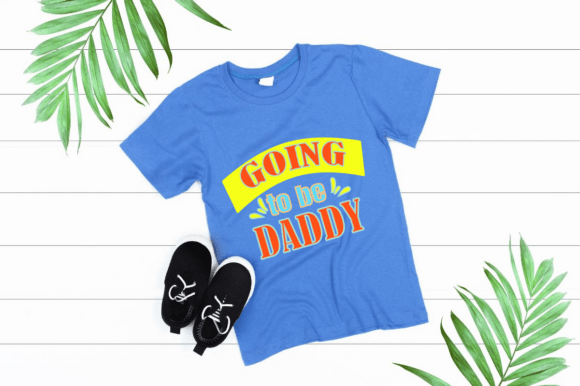
When I first looked at the ‘Going to Be Daddy’ T-shirt design, my mind went straight to a real project. Imagine a customer ordering a custom baby announcement sweatshirt for her partner. She wants it to feel warm, genuine, and celebratory—not overly flashy. This design lands squarely in that sweet spot. Its mood is quietly joyful, a confident declaration rather than a loud scream. The layout, centered and straightforward, has a classic visual personality that speaks to a timeless moment. It feels like the kind of embroidery design you’d create for someone you care about, which is exactly the energy you want translating through your stitches.
The Natural Habitat for This Stitched Concept
In practical terms, this design belongs on soft, comfortable fabrics meant for closeness. My immediate thoughts were: a cozy fleece sweatshirt for the new dad-to-be, a simple cotton tee for a casual announcement, or perhaps a well-made tote bag for the mom carrying all the new essentials. It would stitch beautifully onto a pillow cover for a nursery or even a kitchen towel for that proud grandparent. The theme is inherently giftable, making it perfect for holiday gifts, wedding gifts, or any personalized product celebrating family.
For a craft business, an Etsy seller, or a small shop owner, this design is a versatile asset. It could anchor a whole line of ‘new parent’ merchandise—from embroidered caps for a dad’s hobby to elegant patches on a baby blanket. Its single-concept clarity means it adapts easily across products while maintaining brand consistency. In a boutique setting, an embroidered version on a high-quality garment elevates it from a simple graphic to a thoughtful handmade product, increasing perceived value and customer trust.
How It Performs Under the Hoop
From an embroidery designer’s perspective, execution is key. Let’s walk through some real-life embroidery situations.
On custom apparel like t-shirts and sweatshirts, the design’s balanced layout suggests it will stitch out cleanly. The lettering appears clear and of a reasonable scale, which is crucial for stitching clarity on garments that will be worn and washed frequently. On a tote bag or an apron, it would become a durable, decorative accent that’s both functional and sentimental.
For baby clothes or nursery decor, the design’s gentle theme works wonderfully, but fabric choice becomes paramount. On thin or stretchy fabrics, like a delicate baby jersey, you’d need to be extra mindful of stabilizer and stitch density to prevent puckering. On a thicker blanket, it would likely anchor beautifully.
Spots Where a Designer’s Caution is Wise
There are always details to watch. With any design featuring text, the tiny lettering inside the main words—if there is any—can be a challenge. If the design has very dense fill stitch areas in the ‘DAD’ portion, for example, it might require careful tension management on dark fabric to ensure the threads pop without the fabric distorting.
On curved surfaces like caps, the design’s centered, potentially wider layout might need testing to ensure it fits the smaller, curved hoop size comfortably without losing important details at the edges. Similarly, on textured fabrics like some sweaters, the visual appeal depends heavily on thread color contrast; a light thread on a dark, textured background might need a bold, simple design to remain crisp.
This isn’t a critique of the design itself, but a standard professional reminder: designs with good visual personality still need technical empathy for the material.
Turning a Digital File into a Loved Finished Product
The leap from a digital embroidery file on screen to a physical, embroidered product is where your skill as a maker truly engages with the buyer. The ‘Going to Be Daddy’ design, when stitched well, reinforces professionalism and craftsmanship. It’s not just a graphic; it’s a tactile experience. On a sweatshirt embroidery project, the raised stitches of satin stitch or fill stitch around the lettering add a layer of handmade presentation that digital printing can’t match. This tactile quality directly affects buyer engagement—they feel the care put into it.
For commercial embroidery or a craft business, this means the finished product tells a story of quality. It becomes more than merchandise; it’s a keepsake. That’s powerful for an Etsy listing or a craft fair product. A well-executed embroidered version of this design on a pillow cover or tea towel instantly looks like a premium, giftable item.
Practical Notes Before You Stitch
Before you commit this design to a client’s project or your small shop product, here are my standard, real-world checks:
- Always test the embroidery design on a scrap of your target fabric first. This tells you everything about how the stitch density interacts with the fabric texture.
- Check thread color contrast thoroughly. Run it through both black and white mockups in your mind, and physically test on light and dark fabric backgrounds if possible.
- Confirm the hoop size you intend to use can accommodate the design’s full layout without cramping. Inspect any small details in your test stitch to ensure they survive the translation.
- Use the proper stabilizer for your fabric—this is non-negotiable for maintaining visual appeal on finished products that need frequent washing.
- Crucially, as this is categorized under Print Templates and Graphics, verify its licensing terms. Before selling finished items or digital products using this design asset, confirm it is cleared for both personal and commercial projects. Never assume.
Embroidery is a beautiful blend of art and precision. A design like ‘Going to Be Daddy’ offers a strong, emotional concept. Your job as the designer or maker is to partner that concept with flawless execution. When you do, you create not just an embroidered patch or custom apparel, but a piece of someone’s story. That’s the real project use we’re all aiming for.