Gardening Therapy Embroidery: A Designer's Review
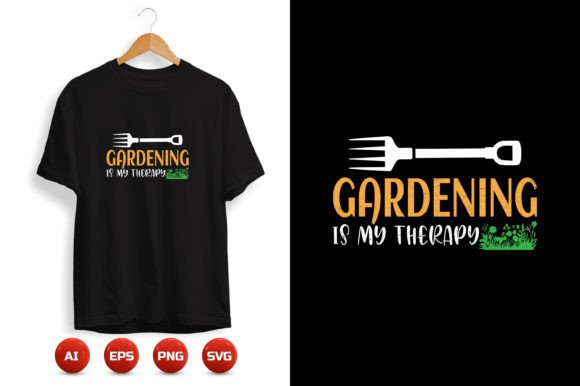
As a designer who stitches more client projects than I can count, I see hundreds of embroidery designs. My first filter isn't beauty, it's practicality. When I look at Gardening T-shirt Design 32, my initial thought isn't about the file formats—it's about the mood it creates and the story it tells when stitched into fabric. The phrase “gardening is my therapy” carries a gentle, personal weight. The layout and theme feel warm and honest, less like a generic slogan and more like a quiet confession of joy. This visual personality is its greatest asset.
Where This Design Feels Most at Home
In real-life embroidery situations, this isn’t a flashy, loud graphic. It’s a companion. I imagine it stitched onto a well-worn gardener’s apron, the threads settling into the cotton canvas. It belongs on a cozy sweatshirt for a cool morning spent potting plants, or as a centered feature on a simple cotton tote bag that carries seedlings home from the market. For a boutique focusing on handmade, mindful goods, this embroidery design could become a signature piece on tea towels or pillow covers, turning ordinary home items into something with a whispered narrative.
Its appeal for personalized gifts is strong. A baby item, like a little knit blanket for a newborn whose parents love their garden, with this design embroidered softly in a corner—it becomes a keepsake. As a holiday gift or a wedding present for a couple with a new home, an embroidered kitchen towel or patch for a cap feels thoughtful and specific. For an Etsy seller or craft fair vendor, this design translates into products that don’t just sell a graphic; they sell a feeling, a tiny piece of identity. That connection drives buyer engagement.
The Practical Stitching Considerations
Now, let’s talk about the needle meeting the fabric. This is where a design’s true character is revealed. Based on the description mentioning vector shapes and easy color changes, the core design elements should be resizable without losing integrity, which is crucial. However, with any design containing text and likely decorative accents, you must be strategic.
First, test this embroidery file on scrap fabric. Always. This lets you judge the stitch density—are the fill stitches too dense for a lightweight t-shirt? Will the satin stitches on the lettering “therapy” hold up on a stretchy fabric like a polo shirt? Check thread color contrast. On dark fabric, you might need a lighter underlay or a slightly different color palette than on a light background. The design’s clarity and the handmade presentation’s professionalism depend on this.
Small details need inspection. If the design has tiny lettering or intricate botanical elements, they might get lost on a small hoop size or on textured fabrics like certain blankets. For curved surfaces like caps, the layout might need adjustment to avoid distortion. Using proper stabilizer is non-negotiable here to preserve the design’s shape and prevent puckering, especially on layered garments or thin fabric.
Products That Demand Extra Care
Some applications require a more careful approach. Embroidering Gardening T-shirt Design 32 onto baby clothes or other items needing frequent washing means you need to consider thread type and stitch durability—a loose running stitch detail might not survive. Creating an embroidered patch from this design is fantastic, but check the density in the denser stitch areas; too thick, and the patch becomes stiff. For commercial embroidery projects or small shop merchandise where consistency is key, run tests on several garment types to ensure the design scales well and maintains its visual appeal across all products.
How This Design Elevates Your Work
From a business and creative perspective, a design like this does more than decorate. It builds customer trust because it feels authentic, not mass-produced. It enhances product value for a handmade shop owner because it communicates a specific lifestyle. For brand consistency, if your craft business revolves around nature, wellness, or home-grown themes, this embroidery design fits seamlessly into your collection, reinforcing your brand story.
Its giftability is high because it’s personal without being overly sentimental. For digital product sellers offering printable mockups or using it as a design asset in graphics, the vector nature should allow clean, resizable previews. But a crucial note: always confirm the licensing terms provided with the file before selling finished items or digital products derived from it. The description indicates it’s for Print Templates and Graphics, but the specifics for commercial use in embroidery need clear verification.
A Real Scenario: The Gardener’s Tote Bag
Let’s walk through a real case. I’m preparing a custom embroidered tote bag for a client who runs a small plant nursery. They want something for their customers that feels special. Gardening T-shirt Design 32 comes to mind. I’ll likely choose a natural canvas bag. I’ll test the design on similar scrap canvas first, checking how the satin stitches of the gardening icons and the fill stitches of any background elements behave. I’ll consider thread colors that complement earthy tones—perhaps mossy greens and soft browns. The goal is stitching clarity so the message is readable but not harsh. When finished, this isn’t just a bag; it’s a brand extension, a piece of merchandise that resonates with their customers’ own “therapy.” That’s the power of a well-chosen, well-executed embroidery project.
Final Designer Notes for Your Project
Before you hoop your fabric and load Gardening T-shirt Design 32, make these your checklist. Review the actual embroidery file in your software. Look at the stitch breakdown if possible. Compare how it looks in black and white mockups—this reveals contrast issues. Decide on the final product: is it for personal use, a personalized gift, or commercial embroidery for your small business? Each path demands a different level of testing and quality assurance. Use the design’s strengths—its thematic warmth and likely clean vector shapes—but respect the limitations of fabric and machine. A great finished product comes from marrying a good design with practical, thoughtful execution. This design has the heart for it; your skill brings it to life.