A Practical Review of the Autism Awareness Embroidery Design
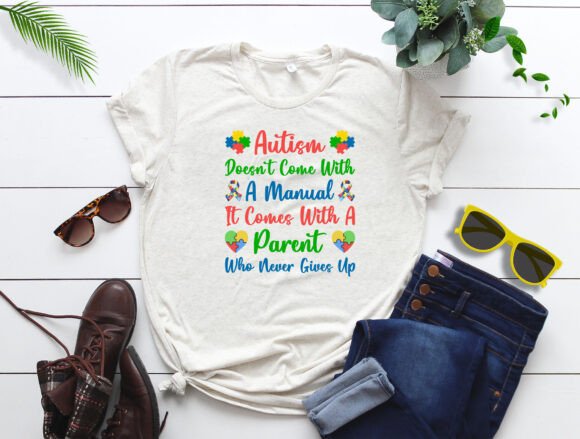
When a design file lands on my desk, my first instinct is to imagine it stitched. Not on a screen, but on fabric. The Autism T Shirt Design Vector immediately struck me as a thoughtful, gentle composition. It avoids the loud, graphic punch of some awareness designs and instead leans into a more illustrative, heartfelt mood. The layout feels balanced, and the level of detail suggests it's built from those 100 vector shapes mentioned—a good sign for scalability without losing integrity. Its visual personality is supportive and inclusive, which tells me it naturally belongs to projects meant to convey care and community.
Where This Design Finds Its Home
I pictured it embroidered on a soft cotton tote bag for a teacher, or as a subtle patch on a denim jacket. Its thematic weight makes it ideal for personalized gifts—think a commemorative pillow for a family or a custom sweatshirt for a walk event. For small business owners, especially those in the handmade and boutique space, this design elevates standard merchandise. It transforms a simple tea towel into a statement kitchen item or a baby’s blanket into a meaningful nursery decor piece. For Etsy sellers and craft fair vendors, it’s a design that connects emotionally, which can drive engagement far beyond a generic pattern.
In commercial embroidery projects for organizations or schools, it offers a professional, cohesive look for apparel. The resizable vector nature means it can adapt from a small left-chest logo on a polo to a larger centerpiece on a hoodie without you needing to redraw anything. This is a significant practical advantage.
The Real-World Stitching Scenario
Let’s walk through a real case. A client requests custom embroidered caps for a support group. I load the Autism T Shirt Design Vector. Because it’s vector, I scale it down to fit the curved, limited space of a cap front. I’m looking at the detail level: are the shapes distinct enough that satin stitches or fill stitches will hold their form when small? The description confirms easy color change, so I adjust the thread color palette to match the group’s colors. This flexibility is crucial for brand consistency.
On a darker fabric sweatshirt, I’d plan for higher contrast thread colors to ensure the design’s stitching clarity remains strong. The design’s value isn’t just in its appearance; it’s in the trust it builds with the end customer. A clean, well-executed embroidery of a meaningful design enhances the perceived value of the handmade product immensely.
Caution Areas for Embroidery Application
Every design has its careful-use notes. For this one, pay close attention to application on very small hoop sizes. If you shrink it drastically for a baby item’s sleeve, inspect those potentially tiny details. Will dense stitch areas become too packed? On textured fabrics like some blankets, the finer lines might need a stabilizer choice that ensures smooth stitching.
Stretchy fabric, like on certain t-shirts, demands proper stabilization to prevent distortion of the shapes. Also, consider the fabric background. Always test the design in black and white mockups or on scrap fabric first. How does it look on light versus dark fabric? Does the intended thread color contrast work? This pre-check saves a finished product from poor visual appeal.
On curved surfaces like caps, the layout’s balance might need a slight tweak in positioning—the vector basis should allow for this. For products destined for frequent washing, like kitchen towels or aprons, ensure your stitch density is secure so the embroidery withstands wear.
The Designer’s Practical Checklist Before Hooping
Before I commit this design to a client’s project, my process is straightforward. Test on scrap fabric of the same type I’ll use. Review stitch density by running a small section. Confirm the hoop size accommodates the design at my chosen scale. Inspect any small lettering or decorative accents—are they clear enough when stitched? I always compare how it looks on light and dark fabric backgrounds by creating simple digital previews.
A critical step is confirming licensing. The product is categorized under Print Templates and Graphics. While the description suggests business website use, I must verify the specific terms for creating and selling finished embroidered items or digital embroidery files derived from it. Never assume.
For craft business owners and digital product sellers, this design can be a core asset for printable mockups or as part of a broader digital product collection. Its professional execution in vector form supports clean previews and adaptable application.
Final Impressions for Makers and Entrepreneurs
The Autism T Shirt Design Vector, from a maker’s perspective, is a considerate tool. It’s not just a graphic; it’s a potential centerpiece for projects that carry meaning. Its giftability is high, and its recognition factor can strengthen a small shop’s niche. For apparel decorators, it’s a ready-to-use design that avoids the time cost of creation from scratch, provided the licensing aligns with your commercial use.
My judgment is practical: this design performs well in real-life embroidery situations when handled with standard professional care. It fits a range from holiday gifts to boutique branding. Its success on the final product—whether an embroidered patch, a tote bag design, or baby embroidery—hinges on your skillful application: proper stabilizer, thoughtful thread colors, and respect for fabric texture. Approach it not as a mere file, but as a component of a finished product that someone will wear, use, or gift with genuine sentiment. That’s where its true value is stitched.