A Designer's Look at the Coffee & Mom Sublimation T-shirt Design
First Impression: Warm, Familiar, and Market-Ready
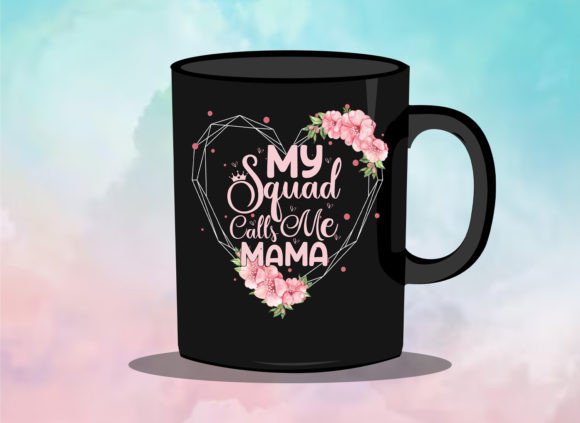
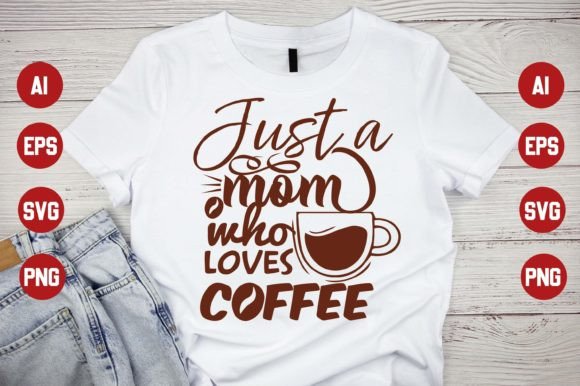
Looking at this Mother's Day Sublimation T-shirt Design, the mood it sets is immediately clear: cozy, relatable, and celebratory. The theme combines two universally beloved elements—mom and coffee—in a layout that feels both personal and commercially friendly. The visual personality is warm and slightly playful, leaning towards a giftable aesthetic rather than a purely decorative one. My first thought as an embroidery designer isn't just about stitching it, but about what kind of finished product it would naturally become. This isn't a complex, fine-detail piece; it’s a statement design meant to be read and appreciated quickly, which makes it a strong candidate for custom apparel like sweatshirts, aprons, or the centerpiece of a personalized gift tote bag.
Where This Design Shines in Real Projects
Let’s talk practical application. I’m envisioning a scenario: a client order for a boutique’s Mother’s Day pop-up shop, requiring a batch of embroidered tea towels or cozy pillow covers. This embroidery design would be a contender. Its charm lies in its recognizability. On a sweatshirt embroidery project, the clear, bold elements would translate well into satin stitch for the lettering and a fill stitch for the mug graphic, creating a clean, legible result that customers would instantly understand and connect with. For a craft business focusing on holiday embroidery, this design could be the anchor for a whole line—think matching mom & baby aprons, or a simple embroidered patch applied to a canvas tote. The emotional hook (“Just a mom who loves coffee”) adds value, turning a basic machine embroidery design into a story-driven handmade product.
The Giftability Factor
This is where the design’s true potential emerges. Its appeal isn’t just visual; it’s situational. For Etsy sellers and makers creating personalized gifts, this embroidery file offers a ready-made sentiment. Stitched onto a high-quality kitchen towel or the front of a relaxed-fit cap, it becomes a thoughtful, finished product with high giftability. The design doesn’t require intricate customization to feel personal—the message itself does that work. This boosts buyer engagement in online listings and at craft fairs, as customers often seek out items that express a shared feeling or identity.
Caution Zones: Where to Proceed with Care
However, a professional review requires realistic notes. The apparent simplicity of the design means we must be mindful of its execution. Small hoop sizes might struggle with the clarity of the lettering, especially if any script elements are thin. On textured fabrics like certain linens or on dark fabric where thread color contrast becomes critical, a test run is essential. I would be cautious about using it on stretchy fabric without excellent stabilizer, as any fill stitch areas could distort. Similarly, applying it to curved surfaces like caps requires careful placement to keep the layout intact. The potential issue isn’t the design’s complexity, but its stitch density and clarity in less-than-ideal conditions. Tiny lettering, if present, could become lost or muddy.
Considering Fabric and Form
For products that need frequent washing, like baby clothes or everyday t-shirts, a dense stitch area in the mug graphic could affect comfort and durability. It’s wise to consider simplifying the fill or opting for an applique approach if the file supports it. Always test on a scrap fabric first that matches your final project’s texture and weight.
Impact on Your Business and Craft
From a commercial perspective, using this design affects more than just the stitch. It influences customer trust and professionalism. A clean, well-executed embroidery of this warm message on a premium product reinforces your brand as reliable and thoughtful. For digital product sellers offering the file itself, its clear market appeal makes it a valuable design asset for other makers. However, it’s crucial to confirm the licensing terms before selling finished items or the digital file for commercial embroidery use. The product category is listed as Print Templates and Graphics, which may imply specific usage rights, so due diligence is non-negotiable.
Practical Notes for the Embroidery Designer
Before committing to a live project, here are my hands-on suggestions. First, check the thread color contrast. Run a test in both black and white mockups to see how it holds up on light and dark backgrounds. Inspect the small details in a preview to ensure they’ll translate to stitches without losing definition. Use proper stabilizer for your chosen fabric, always. And crucially, ask yourself: does this design’s mood align with my project or my shop’s brand consistency? It’s wonderfully generic for gift-giving, but might not fit a minimalist or ultra-modern brand aesthetic.
Final Judgment: A Solid, Emotion-Driven Choice
The Mother's Day Sublimation T-shirt Design is, in my practical judgment, a solid choice for makers targeting occasions and emotional connections. It’s less about technical embroidery spectacle and more about delivering a warm, recognizable sentiment onto a finished product. It would perform reliably on straightforward projects like tote bags, pillow covers, or straightforward apparel where the fabric is stable and the hoop size adequate. Its value lies in its market-ready message. For the creative entrepreneur looking to quickly offer a relatable, giftable item—whether for a holiday launch, a boutique product line, or a custom client request—this design provides a strong foundation. Just remember the golden rule of professional embroidery: test, check, and confirm every detail before the needle meets the final fabric.