Putting Gardening T-shirt Design 46 to the Test for Real Projects
As someone who stitches designs for clients and for my own small shop, I look at every new file with a practical eye. It’s not just about whether it’s pretty on screen; it’s about how it will translate into thread and fabric, and ultimately, how it will feel to a customer. So when I sat down to evaluate Gardening T-shirt Design 46 for real use, I approached it as if I was about to load it onto my machine for a real order.
The First Impression: A Lively, Welcoming Garden Scene
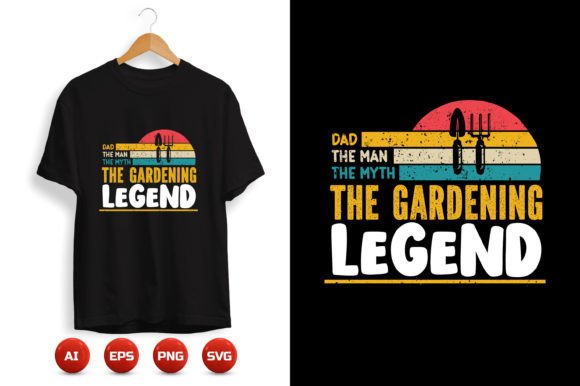
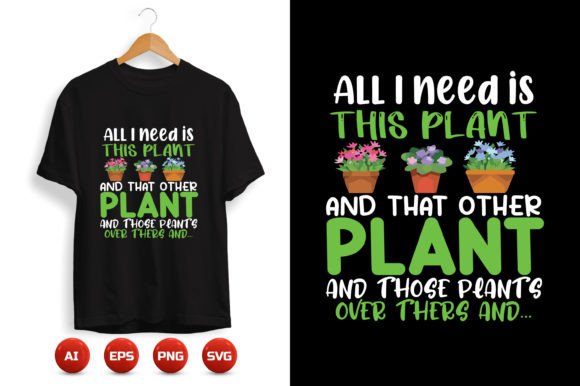
Opening the file, the design immediately strikes a cheerful, slightly whimsical note. The arrangement of the plants and the playful “All I need is this plant and that other plant and those plants over there” text creates a welcoming, hobbyist vibe. It feels friendly and personal, not overly formal or slick. The layout is balanced, with good visual weight, meaning it won’t look awkward when centered on a garment. For embroidery, the level of detail appears manageable—there are distinct elements that should translate well into clear satin stitches for the lettering and fill stitches for the plant shapes, without becoming a dense, thread-heavy mess.
A Perfect Fit for Personalized Gifts and Casual Apparel
This design’s personality naturally aligns with a specific niche. I can instantly picture it embroidered on a lightweight cotton tote bag for a gardener friend, or as a central motif on a cozy sweatshirt for a plant-loving customer. It would shine on a tea towel or a pillow cover in a rustic kitchen, or even as a sweet, subtle detail on a baby’s organic cotton romper for a nursery-themed gift. The mood is warm and inclusive, making it a strong candidate for personalized gifts, craft fair products, or as a bestseller in an Etsy shop focused on handmade, lifestyle-themed items.
How It Performs in Actual Embroidery Scenarios
Let’s walk through a real-life scenario. Say a client orders a custom embroidered apron as a wedding gift for a couple who loves their backyard garden. Using Gardening T-shirt Design 46, my first step is always a test run on scrap fabric of similar weight and texture. The fact that the design is described as a 100% vector file and offers easy color change is a significant practical advantage here. I can quickly adjust the thread colors to match a specific palette—maybe softer greens and browns—without distorting the shapes.
The design’s clarity will be key. On the apron’s canvas fabric, the clean lines should hold up well. I’d pay close attention to the smaller text details during the test; ensuring the stitch density is appropriate so the letters remain readable and don’t pucker the fabric. On a curved surface like a cap, the wider, plant elements would likely adapt better than the potentially tighter lettering, so careful hooping and stabilizer choice would be essential for that application.
Where You Might Need a Careful Approach
While versatile, some applications demand extra forethought. Embroidering Gardening T-shirt Design 46 onto a very thin or stretchy t-shirt material requires a light touch—possibly reducing the overall size or using a cutaway stabilizer to prevent warping. On dark fabrics, the choice of thread colors becomes crucial for contrast and visual pop; the easy color change feature is a hero here. Also, if considering a very small hoop size for, say, a delicate baby blanket corner, I would scrutinize the text. Tiny lettering can lose definition, so a slightly larger placement or simplifying the text layer in the software might be necessary for optimal stitch clarity.
The Impact on Your Product’s Value and Appeal
From a business perspective, a well-executed embroidery of this design elevates a simple product. A clean, sharp stitch on a high-quality sweatshirt feels professional and builds customer trust. It tells a story—the handmade presentation aligns perfectly with the gardening theme, suggesting care and authenticity. For a small shop owner, using a cohesive design like this across a line of products—totes, aprons, towels—can strengthen brand consistency. Its giftability is high; it’s personal without being overly specific, making it a safe and engaging choice for many buyers.
Essential Designer Notes Before You Stitch
Before committing to a commercial project or a batch of holiday gifts, here’s my practical checklist. Always, always test the embroidery file on scrap fabric first. This reveals the true stitch density and how the fabric reacts. Check thread color contrast against both light and dark backgrounds; sometimes a digital mockup looks different than real thread. Inspect the small details in your test piece—are the letters crisp? Do the plant outlines blend together or stay distinct? Use proper stabilizer for your chosen fabric; a kitchen towel needs a different approach than a polo shirt.
Also, consider creating simple black-and-white digital mockups to see the pure shape composition. Crucially, verify the licensing terms included with the design. The product is categorized under Print Templates and Graphics, so confirm whether your intended use—selling physical embroidered tote bags at a craft fair, for instance—is covered under the commercial terms provided. Never assume.
Final Thoughts: A Design Ready for Creative Cultivation
Gardening T-shirt Design 46 isn’t just a graphic; it’s a versatile starting point for a range of meaningful embroidery projects. Its friendly, detailed aesthetic translates well into the tactile world of stitch and fabric, particularly for casual apparel, personalized gifts, and handmade shop merchandise. Its vector nature and color flexibility are practical boons for the working designer. With careful testing and smart application regarding fabric choice and scale, it can become a reliable, appealing asset for your embroidery work, helping you create finished products that feel both professional and passionately made. Just remember the golden rule: test first, then cultivate your project with confidence.