Japanese Traditional Sushi Graphics for Print Templates
A Designer's First Impression: Clean, Casual, & Content-Ready
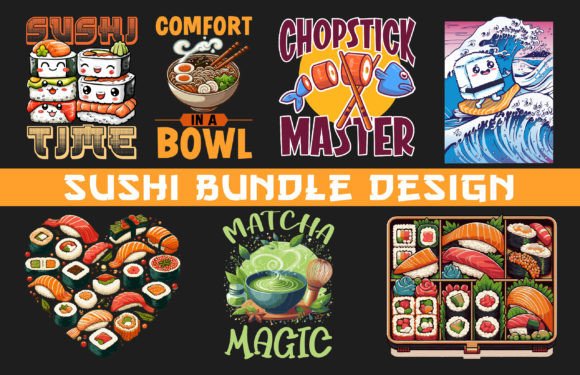
Opening the JapaneseTraditional Food Sushi T Shirt design bundle, my immediate reaction is positive. The artwork presents a clean, stylized illustration of sushi elements—likely a roll, soy sauce, and chopsticks—with a friendly, approachable vibe. This isn't a hyper-realistic or overly ornate graphic design asset; it feels casual, contemporary, and perfectly suited for lifestyle content, handmade product branding, or food-focused event promotions. The emotional tone is warm and inviting, not cold or corporate. It signals authenticity and a love for the subject matter, which is a powerful starting point for building audience trust.
Fitting into a Real Campaign: A Seasonal Food Blog Promotion
Let’s frame this around a real project. Imagine you’re a food blogger or a small kitchenware brand launching a “Summer Sushi Night” digital campaign. You need cohesive visuals for a blog post, a series of Instagram posts, a Pinterest pin kit, and a printable recipe card as a lead magnet. The JapaneseTraditional Food Sushi T Shirt graphics become your foundational visual content layer. The provided PNG and JPEG files, bundled in a convenient zip, mean you can instantly place this illustration onto your Canva template for a social media graphic, use it as a decorative accent on your email banner, or embed it into your blog graphic header. It supports consistent branding across all those touchpoints without requiring custom illustration time.
Where This Design Asset Strengthens Your Marketing Goals
In practical application, this sushi creative design excels in several key areas for content creators and small business branding.
- Stronger First Impression: Used as a hero graphic on a campaign landing page or a product launch visual, it creates an immediate, thematic connection.
- Clearer Visual Hierarchy: The artwork can serve as a focal point, allowing text and calls-to-action to be organized around it cleanly.
- More Consistent Branding: Applying the same sushi motif across your packaging design (like a sticker or insert), your Instagram posts, and your digital ads creates a recognizable thread.
- Better Product Presentation: If you sell sushi-related tools, recipe books, or event tickets, this asset can enhance your product label or promotional banner with relevant, appealing marketing visuals.
- Professional Appearance: For entrepreneurs, using a polished, cohesive illustration like this elevates materials above amateur text-only designs, fostering improved audience trust.
Optimal Use Cases: From Social Covers to Packaging Accents
The versatility of this digital product is significant. Here are specific contexts where it will perform exceptionally well:
- Campaign Headers & Hero Graphics: For web pages or editorial design promoting foodie content.
- Branded Templates: As a repeating element in a series of Pinterest pins or Facebook ads for a sustained campaign.
- Social Media Covers: As a backdrop for your Instagram or Facebook profile to signal your niche.
- Packaging Accents & Stickers: As a decorative element on physical product packaging or shipped orders.
- Content Bundles & Lead Magnets: Within downloadable recipe PDFs, media kits, or cooking guides.
- Promotional Banners: For announcing a workshop, pop-up event, or seasonal sale.
- Decorative Brand Elements: Subtly used in the corners of your website headers or email banners for thematic flavor.
Cautions & Considerations for Professional Application
While highly useful, a brand designer must apply this clipart thoughtfully. Its casual, illustrative style means it should be used carefully in certain contexts:
- Formal Corporate Branding: It may clash with a strict, minimalist financial or legal brand identity.
- Dense Information Layouts: Placing it in a text-heavy ad or flyer could clutter the visual hierarchy and compete with the core message.
- Small Mobile Graphics: In tiny icons or very small digital ads, detail may become indistinguishable; test readability.
- Overly Minimal Brands: If your brand aesthetic is extreme simplicity (like a single color and one font), this illustrative element might feel added.
- Low-Contrast Backgrounds: Ensure the artwork stands out clearly against its backdrop.
Practical Designer Notes Before You Launch
Before integrating the JapaneseTraditional Food Sushi T Shirt into paid campaigns or client work, run these quick checks:
- Test with Your Color Palette: Drop the PNG into a mockup with your brand colors. Does it harmonize or clash?
- Check Black and White Usage: How does it look if printed in grayscale or used on a single-color background?
- Place Inside Real Mockups: Preview it on a product label, a social media graphic, and a printable design like an event flyer.
- Preview on Mobile Screens: Scale it down and view it on a phone screen to ensure it remains clear.
- Compare Against Competitor Visuals: Does it help you stand out or blend in with similar niche content?
- Font Pairing Test: Try it alongside a serif font (for classic feels), a sans-serif (for modern clean), a script (for elegance), and a display font (for boldness). Review spacing and balance.
- Confirm Commercial Licensing: As the product description implies it's for buying T-Shirt Design Digital Files, verify the license covers your intended commercial design use in marketing visuals, client work, and business branding.
Why This Asset Matters for Creative Entrepreneurs
For the audience of marketers, bloggers, and small business owners, a ready-to-use design asset like this is a time and brand equity saver. It provides a professional branding element without the cost of custom illustration. It helps build an emotional connection with a food-loving audience through consistent, appealing visuals. When used strategically—as a supporting element, not the sole hero—it amplifies your message and makes your content marketing more memorable. The key is to treat it as a versatile tool in your creative marketplace toolkit: deploy it to add thematic flavor, enhance visual consistency, and ultimately, create better engagement around your authentic content.